Construction Debris Cleanup Tips for Las Vegas Home Projects
Written by JP’s Junk Removal Team
Construction Debris Cleanup Tips for Las Vegas Home Projects
Home projects have a way of making a mess before they make anything look better. You pull up old flooring, replace cabinets, remove damaged drywall, update part of the yard, or start a small remodel, and suddenly there are piles of debris where your walkway, garage, or driveway used to be.
For Las Vegas homeowners, construction debris can build up quickly during even a minor project. Broken tile, wood scraps, old fixtures, flooring, drywall, yard materials, and packaging can take over the space fast. The cleanup is not always complicated, but it does need a plan. Some debris is sharp, heavy, dusty, or awkward to move, and leaving it scattered around can slow down the rest of the project.
Here are practical construction debris cleanup tips to help keep your home project safer, cleaner, and easier to finish.
Know What Counts as Construction Debris
Construction debris is not limited to large demolition jobs. Even small home projects can create a surprising amount of waste.
Common construction debris from home projects can include:
- Drywall pieces
- Wood scraps
- Old flooring
- Tile and grout debris
- Cabinets and countertops
- Doors and trim
- Carpet and padding
- Broken fixtures
- Fence or deck materials
- Concrete pieces from small projects
- Packaging from new materials
- Yard debris from outdoor updates
If you are working on a small renovation, flooring replacement, backyard repair, or light demolition project, it helps to think about debris before the work begins. That way, you are not stuck with a full garage, blocked driveway, or pile of sharp materials after the project is done.
JP’s Junk Removal provides construction debris removal for Las Vegas home projects that need cleanup after repairs, remodels, and small demolition work.
Keep Debris in One Safe Area
One of the easiest ways to make cleanup harder is letting debris spread across the property. A few boards by the back door, tile pieces in the garage, cardboard near the driveway, and drywall scraps in the side yard can turn into a scattered mess.
Choose one safe area for debris when possible. This could be a section of the garage, driveway, side yard, or another accessible spot. Keeping debris together makes it easier to see how much needs to be hauled and helps reduce tripping hazards.
When choosing a debris area, avoid blocking:
- Walkways
- Doorways
- Driveways
- Garage access
- Stairs
- Utility areas
- Side gates needed for workers or hauling crews
If the debris is sharp, dusty, or heavy, keep it away from pets, kids, and high-traffic areas.
Separate Heavy, Sharp, and Loose Materials
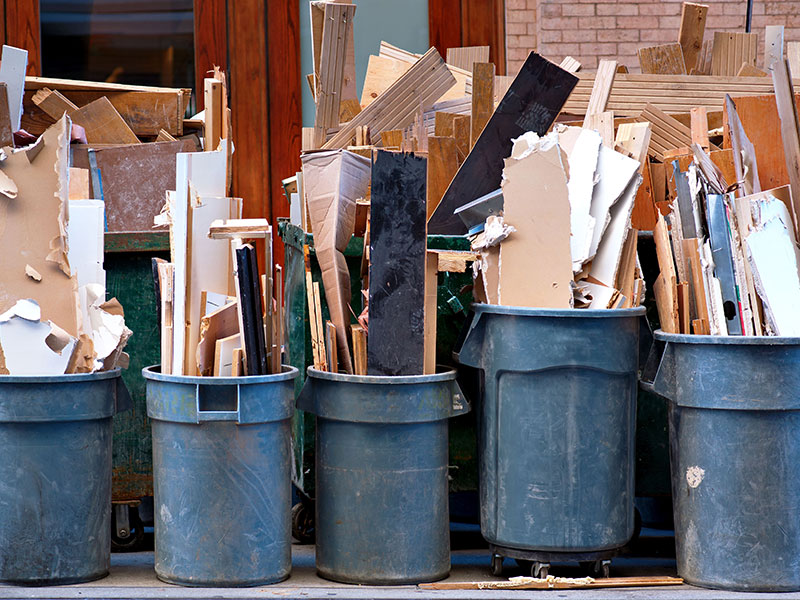
Construction debris is easier to manage when similar materials are grouped together. You do not need to create a perfect system, but basic sorting can help with safety and hauling.
Try to separate:
Sharp items, such as tile, nails, screws, and broken trim
Heavy materials, such as concrete, stone, or dense wood
Loose debris, such as small scraps and packaging
Large bulky pieces, such as cabinets, doors, or countertops
Yard debris, such as branches, brush, and outdoor materials
This makes the cleanup safer for everyone. It also helps the hauling crew understand what they are removing and how to load it properly.
Avoid hiding nails, screws, glass, or sharp pieces inside bags where someone may grab them without seeing what is inside.
Do Not Overload Bags or Boxes
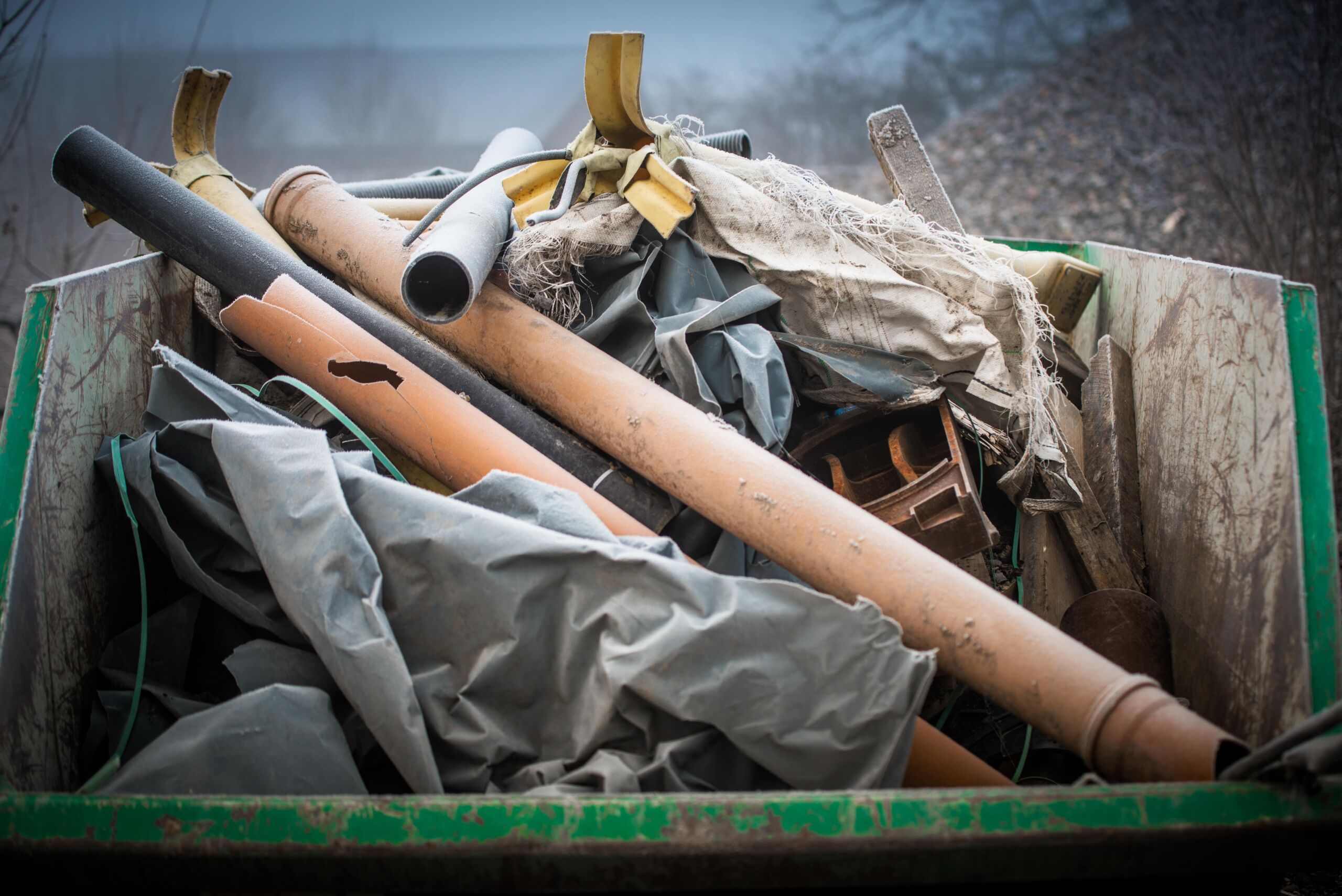
It can be tempting to pack debris into bags or boxes until they are full, but construction waste can get heavy fast. Tile, flooring scraps, broken drywall, and small wood pieces may not look like much, but they can become difficult or unsafe to lift when packed too tightly.
Keep bags and boxes at a manageable weight. If something feels too heavy to move safely, it is better to split it into smaller loads or leave it for the crew to handle.
This is especially important during projects with:
- Tile removal
- Flooring replacement
- Drywall repairs
- Small bathroom updates
- Cabinet removal
- Patio or yard repairs
The goal is not to make the debris look perfect. The goal is to make it safer to remove.
Watch for Materials That Need Special Handling
Not every project material can be treated like regular junk. Some items may require special disposal or may not be accepted during a standard debris pickup.
Be careful with materials such as:
- Paint
- Solvents
- Fuels
- Chemicals
- Pesticides
- Pressurized containers
- Asbestos-containing materials
- Mold-contaminated materials
- Hazardous or biohazard waste
If you are working on an older home or dealing with unknown materials, do not guess. Certain materials may need a qualified professional or approved disposal method.
JP’s Junk Removal can remove many types of non-hazardous debris, but hazardous materials need to be handled through the proper channels.
Plan Cleanup Around the Project Timeline
Debris removal is easier when it is part of the project plan instead of an afterthought. If you wait until everything is finished, debris may block the next step, delay workers, or make the area harder to clean.
Consider scheduling debris cleanup:
- After demolition is complete
- Before new materials are delivered
- Before flooring or outdoor work begins
- Before final cleaning
- Before listing or showing a property
- Before using the driveway, garage, patio, or yard again
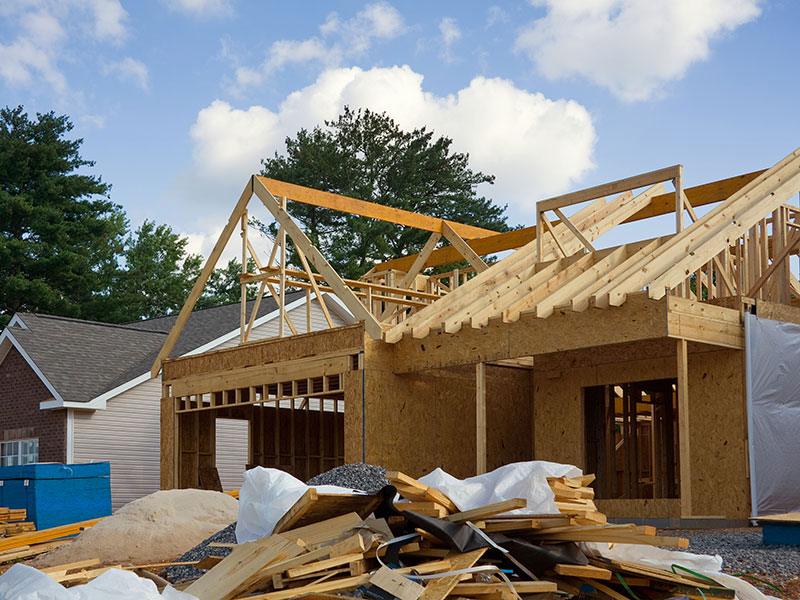
For larger jobs, you may need more than one cleanup. For smaller projects, one pickup after the messy stage may be enough.
If your project includes teardown work, demolition services may also be helpful for removing old structures, built-in items, or materials that need to be broken down before hauling.
Keep Outdoor Cleanup in Mind
Not all construction debris comes from inside the house. Yard updates, patio repairs, fence work, landscaping changes, and outdoor improvements can leave behind a mix of debris.
Outdoor project debris may include:
- Branches and brush
- Old fencing
- Broken planters
- Scrap wood
- Patio materials
- Dirt-covered debris
- Outdoor fixtures
- Damaged yard features
- Packaging from landscaping materials
If the project involves landscaping or backyard cleanup, try to keep yard debris separate from construction materials. It makes the removal process clearer and helps avoid mixing heavy debris with lighter outdoor waste.
Know When to Call for Construction Debris Removal
Some cleanup tasks are easy to handle with a few bags and a trash bin. Others are better left to a hauling crew, especially when the debris is bulky, heavy, sharp, or spread across the property.
It may be time to schedule debris removal if:
- The debris is too heavy to lift safely
- The project created more waste than expected
- The garage, driveway, or yard is blocked
- Sharp materials are sitting around
- You do not have a truck
- You are not sure where to take the debris
- The project needs to keep moving
JP’s Junk Removal provides junk removal in Las Vegas for homeowners who need debris hauled after small remodels, repairs, flooring projects, yard updates, and light demolition work.
Make Cleanup Part of the Project
A home project is not really finished until the debris is gone. Old materials, broken pieces, dusty scraps, and leftover junk can make a completed repair or remodel still feel unfinished.
Keeping debris in one place, separating sharp and heavy materials, avoiding overloaded bags, and planning hauling before the mess gets out of hand can make the cleanup easier. When the debris is too much to move safely or too bulky to haul on your own, JP’s Junk Removal can help clear it out and keep your Las Vegas home project moving.
FAQs About Construction Debris Removal in Las Vegas
What items can be removed during a home cleanout?
Common home cleanout items include furniture, mattresses, appliances, boxes, bagged junk, garage clutter, storage items, patio furniture, small household items, and general clutter. Hazardous materials may not be accepted.
Do I need to move everything outside before a cleanout?
No. JP’s Junk Removal provides full-service hauling, so items can be removed from inside the home, garage, storage area, or outdoor space. It helps to clear a path and separate anything you want to keep.
What should I do before a home cleanout appointment?
Before the appointment, set aside valuables, documents, keepsakes, and anything you do not want removed. You should also separate hazardous materials, such as wet paint, fuels, chemicals, or pressurized containers, since they may need special disposal.